TL;DR: Columbia’s summer heat and humidity cause five common garage door problems: swollen or warped doors, sluggish or overheating openers, misaligned and noisy tracks, worn weatherstripping and stressed springs and cables. Homeowners can safely handle cleaning, lubrication and sensor checks. Anything involving springs, cables or a door that’s stuck or crooked calls for a professional.
The most common summer garage door problems in Columbia, MO, are swollen or warped doors, openers that struggle in extreme heat, noisy or misaligned tracks, failing weatherstripping and stressed springs and cables. Heat expands metal parts while humidity swells wood and invites rust, and July is usually when homeowners notice the first symptoms.
The good news: some of these issues are simple maintenance items you can handle in an afternoon. Others, especially anything involving springs or cables, belong to a trained technician. This guide covers both, so you know exactly where the line sits.
Connect With G.P. Online | Call Us at (573) 441-0021
How Do Columbia’s Heat and Humidity Cause Garage Door Problems?
Mid-Missouri summers combine 90℉ afternoons, thick humidity and fast-moving storms, and each of those stresses a garage door differently.
- Heat expands metal. Tracks, rollers, hinges and springs all grow slightly in high temperatures, which changes how smoothly parts move together. Heat also strains opener motors and circuit boards, particularly in an uninsulated garage that traps hot air.
- Humidity swells wood and feeds rust. Wooden doors absorb moisture and can swell or warp until they rub against the frame. Damp air also corrodes unprotected tracks, hinges and fasteners.
- Storms add debris and power surges. Wind-blown grit collects in tracks and on photo-eye sensors, and lightning-related surges can damage opener electronics.
A door that worked fine in April can start sticking, groaning or stalling by early July for exactly these reasons.
What Are the Most Common Summer Garage Door Problems in Missouri?
1. Swollen or warped garage doors
Wooden doors are the usual culprit. Humid air makes the wood expand, so the door rubs, sticks or won’t seal cleanly at the bottom. A swollen door also throws off the door’s balance, forcing the opener to work harder every cycle. If your door drags or hesitates in the same spot each time, swelling or warping is a likely cause, and it’s worth having it checked before the opener wears out compensating for it. Scheduling garage door repair in Columbia early usually means a smaller fix.
2. Sluggish or overheated garage door openers
Opener motors generate their own heat, and a 100-degree garage doesn’t give them much room to shed it. In extreme heat you may notice the opener straining, stopping mid-cycle or refusing to respond until it cools down. Sensors and circuit boards are also more failure-prone in high temperatures. G.P. Construction diagnoses and repairs openers of all makes and models through its garage door opener and spring services, and carries Liftmaster openers in stock locally when replacement makes more sense.
3. Misaligned or noisy tracks and hardware
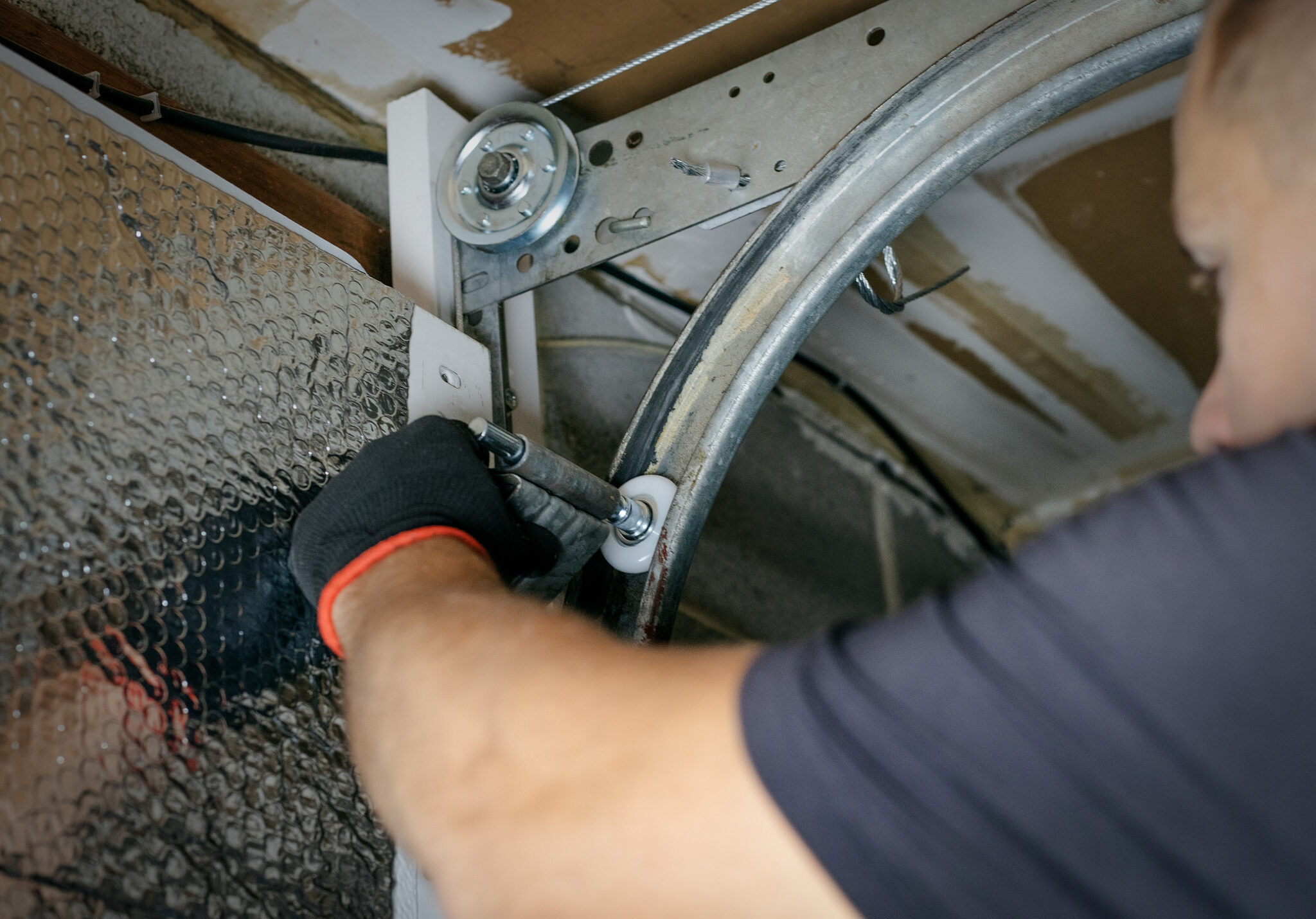
When metal tracks expand in the heat, small alignment issues that were invisible in spring become audible: squeaking, grinding or a rattling ride up and down. Add humidity-driven rust and dried-out rollers, and the door can start sticking at certain points. Fresh lubrication solves mild cases; a visibly bent or shifted track needs a technician.
4. Worn or failing weatherstripping
Summer heat bakes weatherstripping until it cracks, flattens or pulls away from the door. Once that seal fails, hot humid air, dust, rainwater and pests all have a path into your garage, and any conditioned air has a path out. Check the bottom seal first, since it takes the most abuse, then look at the seals between panels and along the sides.
5. Springs and cables under stress
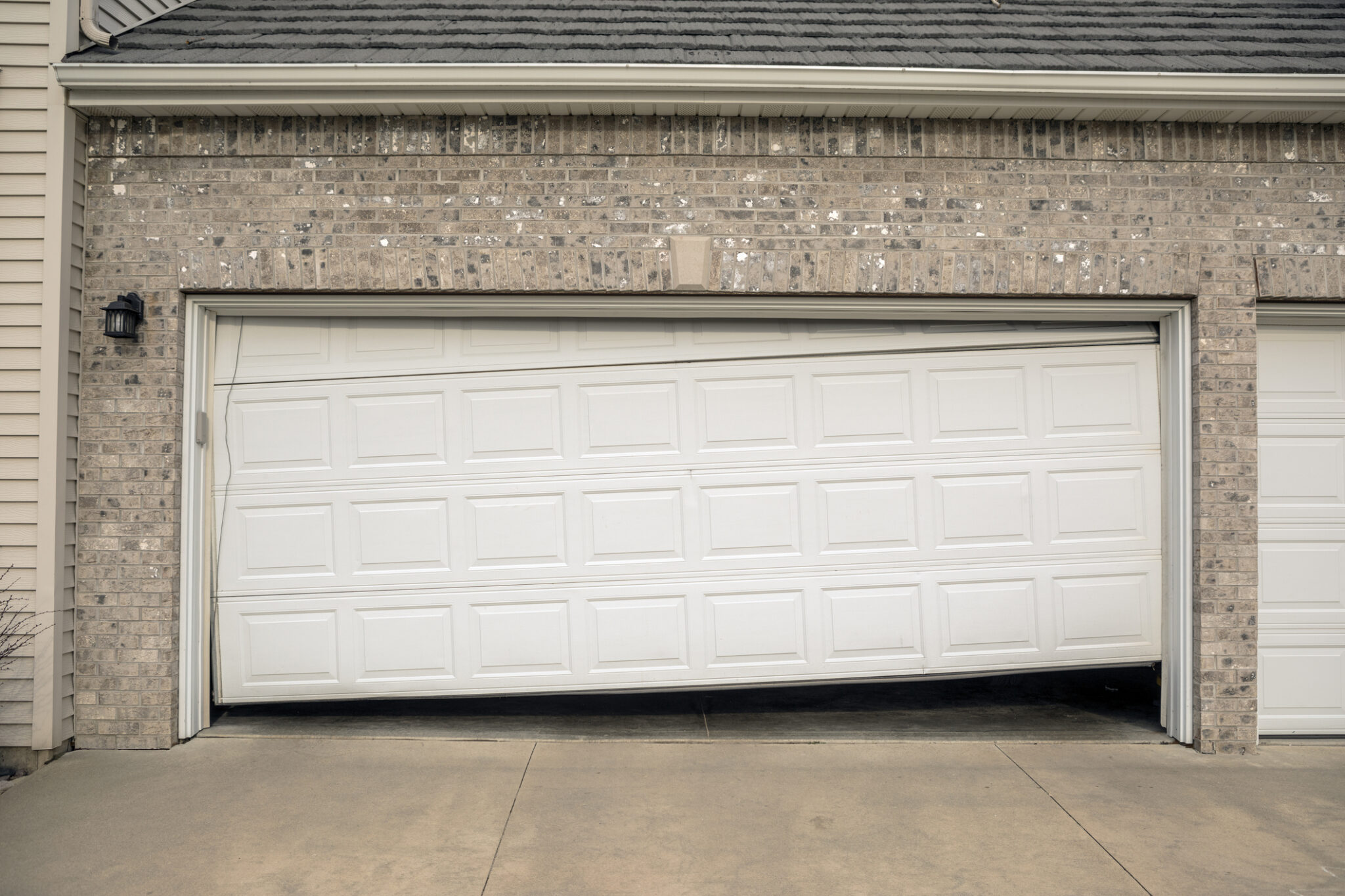
Torsion springs and lift cables carry the full weight of the door on every cycle, and heat plus heavy summer use accelerates wear. Warning signs include a garage door that is visibly sagging, opens crookedly or makes a loud bang from the garage. Springs are under extreme tension and can cause serious injury if handled incorrectly, so this is one repair that should never be DIY.
What Summer Maintenance Can Homeowners Safely Do?
You can prevent a lot of summer garage door problems with a 30-minute monthly routine:
- Look before you touch. Visually inspect tracks, rollers, hinges and weatherstripping for rust, cracks or debris.
- Clean the tracks. Wipe out dust and grit with a damp cloth. Don’t grease the tracks themselves.
- Lubricate moving parts. Apply a garage-door-specific lubricant to rollers, hinges and springs. Skip WD-40, which is a cleaner rather than a long-lasting lubricant.
- Check the photo eyes. Wipe the sensor lenses near the floor and confirm both indicator lights are on. Misaligned or dusty sensors are a common reason doors reverse.
- Test the balance, carefully. With the door fully closed, pull the manual release and lift the door halfway. A balanced door stays put. Only attempt this if the door moves freely and you can control it safely.
Never adjust torsion springs, cables or the opener’s internal components. If anything looks bent, frayed, or under visible strain, stop and call a professional.
When Should You Call a Columbia Garage Door Pro?
Call a technician when you notice any of these:
- The door is crooked, stuck or won’t fully open or close
- A loud bang, snap or persistent grinding from the garage
- A broken, stretched, or gapped spring, or a loose cable
- Bent or shifted tracks
- An opener that stays unresponsive after you’ve checked the sensors and power
These are common garage door problems in Columbia’s summer climate, and most are quick fixes for a trained technician. G.P. Construction is locally owned and operated in Columbia and services all makes and models of doors and openers. If your door is older, badly warped or failing repeatedly each summer, a new garage door installation with modern insulation can be the more cost-effective long-term fix.
Acting sooner is better than later, as summer heat can trap your car behind a door that won’t budge. Contact G.P. Construction to schedule a repair or a full garage door inspection.
Garage Door Problems FAQs
Why does my garage door have trouble opening in hot weather?
Heat expands metal tracks, rollers and springs, which increases friction, and it strains the opener’s motor and electronics. Humidity can also swell wooden doors so they rub against the frame. Lubrication and a sensor check resolve mild cases; persistent sticking needs professional attention.
Is it safe to fix garage door springs myself in summer?
No. Torsion springs are under extreme tension year-round and can cause serious injury if they release unexpectedly. Spring repair and replacement should always be handled by a trained garage door technician.
How does humidity affect a garage door?
Humidity causes wooden doors to absorb moisture, swell and warp, and it accelerates rust on metal tracks, hinges and hardware. Both problems make the door harder to operate and put extra strain on the opener.
What should I lubricate on my garage door, and how often?
Apply a garage-door-specific lubricant to rollers, hinges and springs about every three months, and more often during heavy summer use. Avoid WD-40, which cleans surfaces but doesn’t provide lasting lubrication.
When is it better to replace a garage door instead of repairing it?
If the door is severely warped, has multiple damaged panels, or needs repeated repairs every season, replacement is often more cost-effective. A new insulated door also handles Columbia’s heat and humidity better and improves energy efficiency.
