Strong winds can do more than scatter branches across your yard; they often leave behind hidden damage along your home’s exterior. Loose siding may not always stand out right away, yet it can quickly lead to moisture issues, insulation problems, and costly repairs if ignored. Knowing what to look for immediately after a storm helps you protect your home, know when to call a professional, and avoid bigger headaches down the road.
Why High Winds Cause Loose Siding
Wind does not need to reach extreme speeds to loosen siding panels. Repeated gusts push and pull against the exterior, especially around edges, seams, and corners. Older siding or panels that already had minor wear tend to give way faster. Once even one section shifts out of place, nearby panels become more vulnerable, which can create a chain reaction across the wall. Loose siding often appears along rooflines, near gutters, or on the sides of the home that face prevailing winds. Paying attention to these areas after a storm can help you spot early warning signs before the damage spreads.
What to Check Right Away After the Storm
Perform a visual inspection from the ground and around your property if you can do so without putting yourself at risk. A careful walk around your home provides valuable clues about the condition of your siding.
Look for Visible Gaps or Warping
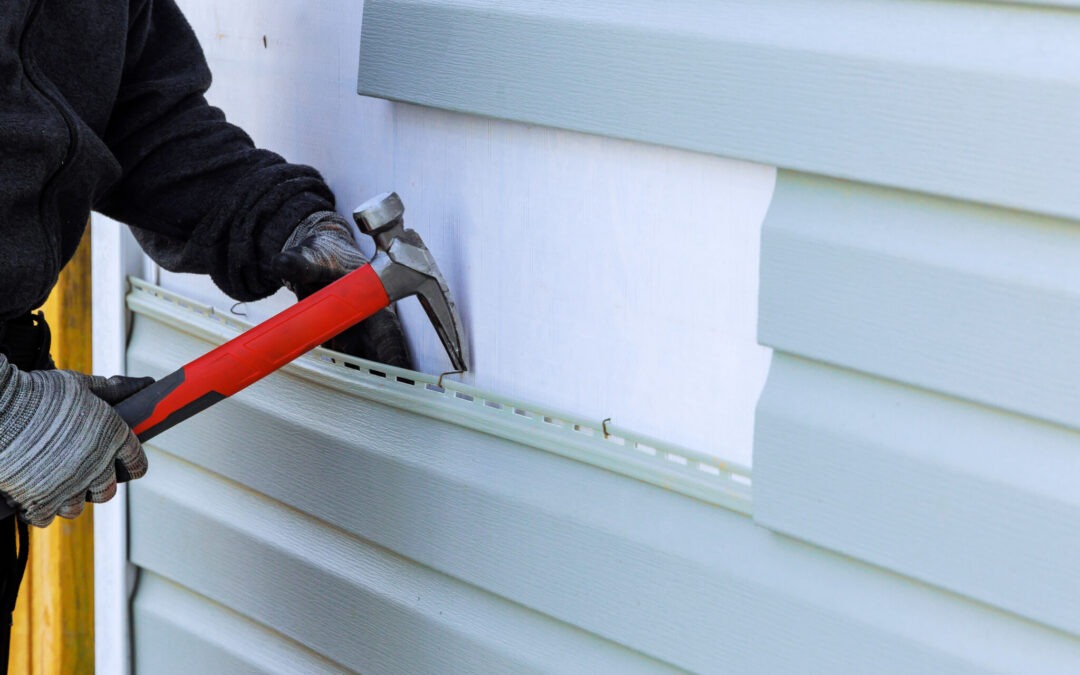
Start by scanning each side of your home for panels that appear uneven or out of alignment. Loose siding often creates small gaps between panels or causes sections to bow outward. These changes may seem minor, but they allow water and debris to slip behind the siding. Pay close attention to corners and edges where panels meet trim pieces. Wind tends to catch these areas first, which makes them more likely to loosen or separate.
Check for Rattling or Movement
Even if siding looks intact, it may still be loose. On a breezy day, listen for rattling sounds or watch for slight movement in the panels. Siding should remain firmly in place, so any noticeable shifting indicates a problem that needs attention. Avoid touching or pulling on panels yourself, since that can worsen the issue or cause additional sections to come loose.
Inspect Around Windows and Doors
Windows and doors create natural breaks in siding, which makes them more susceptible to wind damage. Look for cracks, lifted edges, or gaps around these openings. Loose siding in these areas can allow water to seep inside, leading to damage that may not become visible until much later. If you notice any separation near window frames or door trim, it is best to have a professional take a closer look to prevent moisture intrusion.
Look for Debris Impact Damage
Flying debris during high winds can strike siding with enough force to loosen or crack it. Walk around your property and check for dents, chips, or punctures in the panels. Even small impact marks can weaken the structure and lead to loose siding over time. Also take note of any fallen branches or objects near your home, since they may point to areas that experienced the strongest impact.
Signs You Should Call a Professional
Some issues go beyond what you can safely evaluate on your own. If you notice large sections of siding pulling away, significant warping, or areas that appear detached from the wall, a professional inspection becomes necessary. Siding problems often extend beneath the surface, especially if water has already started to seep behind the panels. A trained technician can assess the underlying structure, check for moisture damage, and secure the siding properly without causing further issues.
Climbing ladders or attempting repairs without the right tools and experience can create safety risks and may lead to more costly repairs later. Leaving these tasks to a professional ensures the job gets done correctly and safely.
Why Quick Action Matters With Loose Siding
Loose siding does more than affect your home’s appearance. It exposes the underlying structure to moisture, pests, and temperature fluctuations. Over time, this exposure can lead to rot, mold, and higher energy costs as insulation becomes less effective. Addressing loose siding soon after high winds helps maintain your home’s durability and keeps small issues from turning into major repairs. Even if the damage seems minor, taking it seriously can save you time and money in the long run.
Schedule Professional Siding Repair with GP Construction
If recent storms have left you concerned about loose siding, the team at GP Construction is ready to help. With years of experience serving Columbia and surrounding areas, they know how to identify problem spots and restore your siding so it stays secure and reliable. Reach out today to have your siding checked and keep your home protected from the next round of high winds.
